
Radiators are a familiar part of everyday life in many homes, quietly providing warmth and comfort through colder months. Yet behind their practicality lies a less visible reality: the environmental impact of how they are made, transported, and eventually replaced. As sustainability becomes a growing priority, it is worth understanding how radiator manufacturing affects the environment and what choices homeowners can make to reduce that impact.
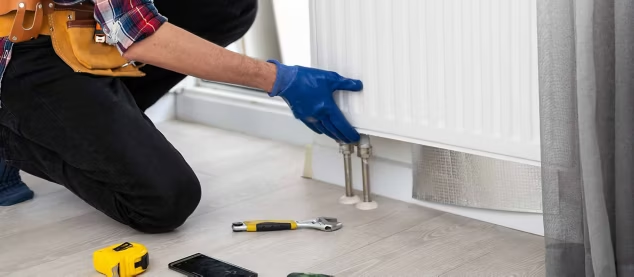
Many people focus on energy efficiency once radiators are installed, but the environmental footprint begins much earlier. From raw material extraction to production processes and disposal, each stage carries a cost. Taking a more informed approach can help reduce this impact without compromising comfort or performance. When upgrading systems, considerations such as Replacing the pipes with new radiators can also play a role in improving overall efficiency and sustainability.
Understanding the Manufacturing Process
Radiators are typically made from materials such as steel, aluminium, or cast iron. Each of these materials requires energy-intensive processes to extract and refine.
Steel production, for instance, involves mining iron ore, which consumes large amounts of energy and water. It also generates carbon emissions during smelting. Aluminium, while lightweight and efficient in use, has an even higher initial energy cost due to the extraction of bauxite and the refining process.
Once raw materials are prepared, they are shaped, welded, and coated. These steps involve machinery, heat treatment, and chemical finishes, all of which contribute to emissions and resource use. Packaging and transportation further add to the environmental footprint, particularly when radiators are shipped over long distances.
The Hidden Impact of Transport and Distribution
Transport is often overlooked when considering environmental impact. Radiators are bulky and heavy, which means they require significant fuel to move from factories to warehouses and eventually to homes.
Long supply chains increase emissions, especially when products are imported from overseas. Even within domestic markets, inefficient logistics can add unnecessary environmental strain. Choosing locally manufactured products or suppliers with efficient distribution networks can help reduce this impact.
Lifespan and Replacement Cycles
Another important factor is how often radiators are replaced. A product with a shorter lifespan leads to more frequent manufacturing, transport, and disposal, all of which increase environmental pressure.
Older radiators may become less efficient over time due to internal corrosion or sludge build-up. While replacing them can improve heating performance, it also raises the question of waste. Disposing of old units requires proper recycling processes, which are not always handled responsibly.
Extending the lifespan of radiators through maintenance, such as regular bleeding and system flushing, can significantly reduce the need for early replacement.
Choosing More Sustainable Materials
One way to make a greener choice is by selecting radiators made from materials with lower environmental impact. Aluminium radiators, despite their energy-intensive production, are highly efficient at transferring heat. This means they can reduce energy use during operation, offsetting some of their initial footprint.
Steel radiators are widely used and often contain recycled content, making them a more balanced option. Cast iron radiators, known for their durability, can last for decades, reducing the need for replacement.
The key is to consider both the production impact and the long-term efficiency of the material.
Energy Efficiency in Use
While manufacturing has a significant environmental cost, the energy used during a radiator’s lifetime is often even greater. Choosing radiators that heat up quickly and distribute warmth evenly can reduce overall energy consumption.
Modern designs are typically more efficient than older models. They work better with updated heating systems and can maintain comfortable temperatures using less energy. Pairing efficient radiators with smart thermostats or zoned heating systems further enhances performance.
Reducing energy use not only lowers household bills but also cuts carbon emissions over time.
The Role of System Upgrades
When replacing radiators, it is important to look beyond the units themselves. The overall heating system plays a crucial role in efficiency.
Upgrading pipes, valves, and controls can improve water flow and heat distribution. Old or poorly maintained pipework can reduce efficiency, forcing the system to work harder and consume more energy. A well-balanced system ensures that heat is delivered effectively throughout the home.
Taking a holistic approach to upgrades can maximise the benefits of new radiators while minimising environmental impact.
Recycling and Responsible Disposal
At the end of their life, radiators should be recycled wherever possible. Metals such as steel and aluminium can be reused, reducing the need for new raw materials.
However, improper disposal remains a challenge. Some units end up in landfill, contributing to waste and environmental harm. Working with installers or recycling centres that follow proper disposal practices is essential.
Consumers can also ask suppliers about take-back schemes or recycling programmes, which help ensure materials are handled responsibly.
Practical Steps for a Greener Choice
Making more sustainable decisions does not require drastic changes. Small, thoughtful actions can have a meaningful impact:
- Choose radiators made from recycled or durable materials
- Opt for products manufactured closer to home to reduce transport emissions
- Maintain existing radiators to extend their lifespan
- Upgrade the entire heating system for better efficiency
- Ensure old radiators are recycled properly
- Use heating controls to reduce unnecessary energy use
These steps help balance comfort, cost, and environmental responsibility.
Conclusion
Radiators are essential to modern living, but their environmental impact is often underestimated. From material extraction to manufacturing, transport, and disposal, each stage contributes to a larger footprint. However, with informed choices, this impact can be reduced.Selecting efficient designs, maintaining systems properly, and considering the full lifecycle of a radiator all play a role in creating a more sustainable home. Even small changes, when applied thoughtfully, can lead to long-term benefits. By looking beyond immediate needs and considering environmental implications, homeowners can make choices that support both comfort and sustainability.