

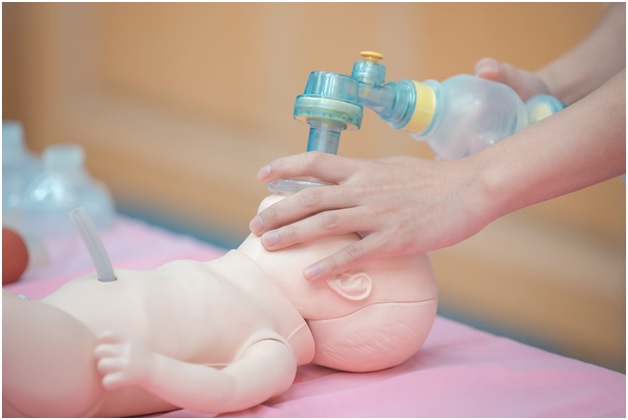
Medical emergencies involving infants and children require specialized knowledge, rapid decision-making, and precise clinical skills. Pediatric patients have different physiological responses compared to adults, which means healthcare professionals must be trained specifically to recognize and manage critical pediatric conditions effectively.
This is why professional pediatric advanced life support training has become an essential qualification for doctors, nurses, paramedics, and healthcare providers involved in pediatric care.
Pediatric Advanced Life Support (PALS) programs are designed to help healthcare professionals identify life-threatening conditions in children and provide immediate emergency treatment. From respiratory distress and cardiac emergencies to shock and trauma management, PALS training prepares healthcare workers to respond confidently during pediatric emergencies.
Professional pediatric advanced life support training improves patient safety, strengthens emergency response skills, and supports better healthcare outcomes for infants and children.
CNA Training Institute offers comprehensive PALS training programs designed to provide healthcare professionals with advanced pediatric emergency care knowledge and hands-on practical experience.
Understanding Pediatric Advanced Life Support
Pediatric Advanced Life Support is a specialized emergency response program focused on managing critically ill or injured infants and children.
PALS training teaches healthcare professionals how to recognize early signs of pediatric emergencies and provide appropriate interventions before conditions worsen.
Professional PALS courses typically include:
- Pediatric emergency assessment
- Pediatric CPR techniques
- Airway management
- Respiratory emergency management
- Cardiac emergency response
- Shock and trauma management
- Medication administration
- Team-based resuscitation procedures
Professional pediatric advanced life support programs focus on evidence-based emergency care practices and practical clinical simulations.
Importance of Pediatric Emergency Training
Children have unique medical needs and can deteriorate rapidly during emergencies.
Healthcare professionals caring for pediatric patients must be prepared to respond quickly and accurately.
Early Recognition Saves Lives
Recognizing signs of respiratory distress, shock, or cardiac complications early can improve survival rates significantly.
Faster Emergency Response
PALS-trained healthcare professionals can begin immediate interventions during critical situations.
Improved Pediatric Patient Outcomes
Proper emergency management reduces complications and improves recovery chances for infants and children.
Increased Clinical Confidence
Healthcare providers gain greater confidence in handling high-pressure pediatric emergencies.
Professional pediatric advanced life support training strengthens both emergency preparedness and clinical competency.
Who Should Take Pediatric Advanced Life Support Training?
PALS certification is valuable for healthcare professionals involved in pediatric care and emergency response.
Pediatric Nurses
Nurses working with infants and children benefit from advanced emergency response skills.
Pediatricians and Doctors
Medical professionals treating pediatric patients require specialized life support knowledge.
Emergency Medical Technicians (EMTs)
Paramedics and emergency responders often manage pediatric emergencies outside hospital settings.
Intensive Care Unit (ICU) Staff
Critical care professionals require advanced pediatric emergency training.
Respiratory Therapists
Healthcare providers managing pediatric respiratory conditions benefit from PALS education.
Healthcare Students
Medical and nursing students pursuing pediatric healthcare careers can strengthen their clinical skills through pediatric advanced life support certification.
Skills Learned During PALS Training
Professional PALS courses combine theoretical education with practical hands-on simulations.
Participants develop several advanced pediatric emergency care skills.
Pediatric Assessment Techniques
Healthcare professionals learn systematic methods for evaluating pediatric patients quickly.
Pediatric CPR
Training includes infant and child CPR procedures following current emergency guidelines.
Airway Management
Participants learn how to maintain pediatric airways and support breathing.
Cardiac Emergency Response
PALS training covers pediatric cardiac arrest management and emergency interventions.
Shock Recognition and Management
Healthcare providers learn how to identify and treat pediatric shock conditions.
Medication Administration
Training includes proper emergency medication usage for pediatric patients.
Team-Based Emergency Care
Participants practice coordinated emergency response within healthcare teams.
Professional pediatric advanced life support training emphasizes real-life emergency simulations to improve clinical readiness.
Importance of Airway and Respiratory Management in Pediatric Care
Respiratory problems are among the most common causes of pediatric emergencies.
Children experiencing breathing difficulties can deteriorate quickly if not treated promptly.
PALS training teaches healthcare professionals how to:
- Recognize respiratory distress
- Maintain open airways
- Provide oxygen support
- Perform effective ventilation techniques
Early respiratory intervention can significantly improve patient outcomes.
Role of CPR in Pediatric Emergencies
Cardiopulmonary Resuscitation (CPR) is a critical component of pediatric emergency care.
Pediatric CPR techniques differ from adult CPR because of children’s unique anatomy and physiology.
PALS training teaches healthcare providers how to:
- Perform infant CPR
- Perform child CPR
- Deliver effective chest compressions
- Provide rescue breathing safely
Professional pediatric advanced life support education ensures healthcare professionals apply age-appropriate emergency techniques.
Importance of Team-Based Emergency Response
Pediatric emergencies often require coordinated action among multiple healthcare professionals.
PALS programs focus heavily on communication and teamwork during emergency situations.
Healthcare teams learn how to:
- Assign emergency roles efficiently
- Communicate clearly under pressure
- Coordinate treatment decisions
- Improve response accuracy
Strong teamwork improves emergency care quality and patient safety.
Why Pediatric Advanced Life Support Training Is Important in Dubai
Dubai’s healthcare industry continues expanding rapidly with growing demand for qualified pediatric healthcare professionals.
Healthcare facilities prioritize advanced emergency training to maintain high patient care standards.
Several factors increase the importance of PALS certification.
Growing Pediatric Healthcare Services
Hospitals and clinics require skilled professionals trained in pediatric emergency care.
High Patient Safety Standards
Healthcare organizations focus strongly on emergency preparedness and pediatric safety.
Professional Career Development
PALS certification strengthens healthcare qualifications and career opportunities.
Better Emergency Preparedness
Healthcare providers become more confident and effective during pediatric emergencies.
Professional pediatric advanced life support training supports both clinical excellence and healthcare quality standards.
Benefits of Pediatric Advanced Life Support Certification
1. Improved Pediatric Emergency Response Skills
Healthcare professionals learn advanced techniques for managing critical pediatric conditions.
2. Increased Clinical Confidence
Training improves decision-making during high-pressure emergencies.
3. Better Career Opportunities
Many healthcare employers prefer candidates with updated PALS certification.
4. Enhanced Patient Safety
Proper emergency response improves pediatric care outcomes and reduces risks.
5. Practical Hands-On Learning
Simulation-based training strengthens real-world emergency preparedness.
6. Compliance With Healthcare Standards
PALS certification helps professionals meet hospital and licensing requirements.
Professional pediatric advanced life support programs support long-term healthcare career growth and clinical competency.
Importance of Hands-On Pediatric Emergency Simulations
Practical learning is one of the most important parts of effective PALS education.
Simulation-based training allows participants to practice:
- Pediatric CPR
- Airway management
- Cardiac emergency response
- Team-based resuscitation
- Medication administration
Hands-on practice improves skill retention and emergency response confidence.
Common Pediatric Emergencies Covered in PALS Training
PALS programs prepare healthcare professionals to manage various pediatric emergencies, including:
- Respiratory distress
- Cardiac arrest
- Shock
- Trauma-related emergencies
- Seizures
- Allergic reactions
- Drowning incidents
Professional pediatric advanced life support training equips healthcare providers with the skills needed to manage these situations effectively.
Choosing the Right PALS Training Institute
Selecting a trusted training provider is important for receiving quality education and recognized certification.
Healthcare professionals should consider:
Certified Instructors
Ensure trainers are experienced pediatric emergency care professionals.
Practical Simulation Training
Hands-on emergency scenarios improve clinical preparedness.
Updated Training Guidelines
Courses should follow current international PALS standards and protocols.
Recognized Certification
Choose institutes offering accepted professional credentials.
Supportive Learning Environment
Interactive teaching improves understanding and confidence.
CNA Training Institute provides professional PALS training programs designed to support healthcare professionals with advanced pediatric emergency education.
Future of Pediatric Emergency Training
As healthcare standards continue evolving, advanced pediatric emergency training is becoming increasingly important.
The demand for PALS-certified professionals is growing in:
- Hospitals
- Pediatric clinics
- Emergency departments
- Intensive care units
- Ambulance services
Professional pediatric advanced life support training will continue playing a critical role in improving pediatric healthcare quality and patient safety.
Conclusion
Pediatric emergencies require specialized knowledge, rapid response, and advanced clinical skills.
Professional pediatric advanced life support programs equip healthcare professionals with the expertise needed to recognize and manage life-threatening pediatric conditions effectively.
From pediatric CPR and airway management to cardiac emergency response and team-based resuscitation, PALS training improves emergency preparedness, patient safety, and healthcare quality.
CNA Training Institute continues to provide comprehensive pediatric advanced life support training programs designed to help healthcare professionals develop advanced pediatric emergency care skills.
By combining expert instruction, realistic simulations, and recognized certification, PALS training helps healthcare providers respond confidently during pediatric emergencies and improve outcomes for young patients.