
A home EV charger offers convenience, faster charging, and long term savings. But installing one is far from a simple DIY project. Electrical work demands precision, safety, and compliance with local codes. When handled incorrectly, it can lead to system failures, fire hazards, or costly repairs. If you plan to add car charging stations in Everett or upgrade your current setup, understanding when to call a licensed electrician keeps your home protected and your EV ready for every drive.
This detailed guide walks you through the key signals that show you need professional help. Each sign reveals the importance of expert installation, especially when dealing with higher electrical loads and strict safety standards in Washington State.
Why Professional EV Charger Installation Matters
Electric vehicle chargers draw far more power than standard household devices. Even Level 1 chargers operate continuously for hours, while Level 2 chargers demand a dedicated circuit and upgraded wiring. Professional electricians know how to evaluate your home’s electrical capacity, prevent overloads, and ensure your system aligns with the National Electrical Code and local Everett regulations.
Before diving into the red flags, keep this in mind: the goal is not just to make the charger work but to ensure it works safely and consistently for years.
1. Your Electrical Panel Is Outdated or Already Near Capacity
One of the clearest signs you need a professional electrician is an older or overloaded electrical panel. Many homes in Everett still rely on panels designed long before EV chargers became common. Because Level 2 chargers often require a 240 volt connection and a dedicated 40 to 60 amp circuit, an outdated panel simply cannot support the additional demand.
Common indicators include:
- Frequent breaker trips when major appliances run
- Limited open breaker slots
- A panel older than 20 to 25 years
- Lights flickering when high power devices turn on
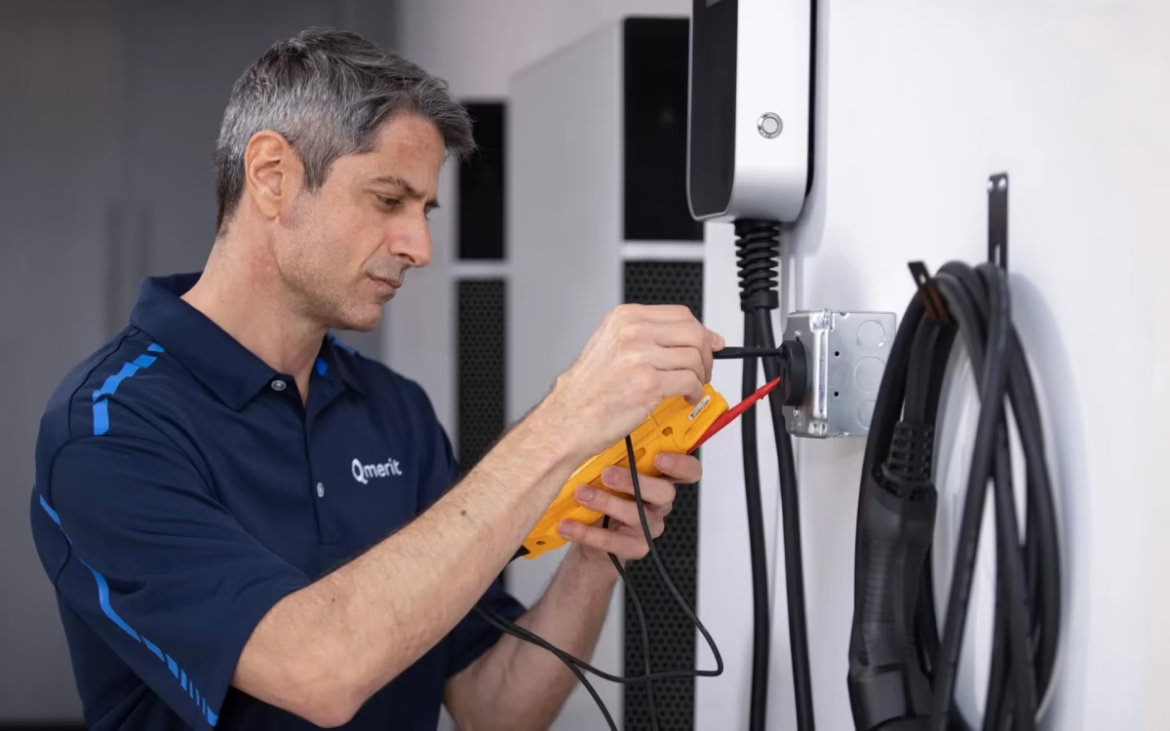
A licensed electrician evaluates your home’s electrical load, determines if panel upgrades are necessary, and ensures proper distribution. Without this assessment, adding a home charger could overwhelm your electrical system, increasing fire risk and reducing stability throughout your home.
2. You Are Unsure Whether Your Home Meets Local Electrical Code Requirements
EV charger installation must follow strict standards. Everett follows state and national codes to ensure residential charging stations meet safety benchmarks. These rules cover wiring size, installation height, GFCI protection, grounding, and proper circuit design.
If you are not completely confident in electrical code requirements, that is a major signal to call a professional. Even one incorrect connection can void equipment warranties or create hazardous conditions.
Electricians ensure compliance with:
- National Electrical Code (NEC)
- Washington State energy rules
- Everett city permitting requirements
- Utility guidelines for increased electrical load
Code compliance is not optional. It is essential for safe operation, insurance protection, and long term reliability. A certified electrician handles permitting, inspections, and installation so you do not face fines or costly corrections later.
3. You Need a Dedicated Circuit for a Level 2 Charger
Many homeowners are surprised to learn that Level 2 car charging stations in Everett require a fully dedicated circuit. This means no other devices or outlets may share the line. The reason is simple: Level 2 chargers draw consistent high current for several hours, and sharing that circuit with other appliances introduces serious safety risks.
If your electrical system does not already have a spare 240 volt line or if you are unsure which circuit to use, a professional must step in. They will:
- Install the correct sized breaker
- Run proper gauge wire
- Ensure grounding and bonding meet safety standards
- Position the charger for optimal charging performance
Attempting to add a dedicated circuit without training is unsafe and not permitted by electrical codes. Professional help ensures efficiency, dependable charging, and peace of mind.
4. You Notice Wiring Issues or Your Home Has Never Undergone Electrical Updates
Many older homes contain aluminum wiring, worn connections, or outdated junction boxes. These systems were never designed to handle today’s electrical loads, especially something as demanding as EV charging equipment. Even newer homes may have hidden wiring problems that only a trained electrician can identify.
Watch for these warning signs:
- Warm or discolored outlets
- Buzzing from the panel or outlets
- Outlets that spark occasionally
- Breakers that do not reset properly
- Unknown or unlabelled breaker switches
If you encounter any of these issues while considering a charger installation, do not proceed without a professional inspection. EV chargers require a clean, safe electrical foundation. Existing wiring issues must be addressed before adding new high demand equipment.
5. You Want to Optimize Charging Efficiency and Long Term Performance
Even if your electrical system seems adequate, installing a charger the right way makes a major difference in performance. Placement, wiring length, breaker type, and charger model selection all play a role in how smoothly your EV charges every day.
A professional electrician helps you determine:
- The ideal location to reduce charging time
- Best charger type based on your driving habits
- Future proofing options for upcoming EV models
- Smart charger integration
- Surge protection and power management needs
This guidance ensures you get the best value out of your charger and avoid unnecessary strain on your system. An expert installer also ensures that your equipment is protected against voltage fluctuations and power surges, which are common concerns in residential electrical systems.
Why Homeowners Should Avoid DIY EV Charger Installations
While DIY projects are rewarding, electrical work for EV chargers is not the right area to experiment. The risks include:
- Fire hazards
- Voided manufacturer warranties
- Failed city inspections
- Insurance claim denials
- Equipment damage from incorrect installation
Licensed electricians undergo rigorous training and stay updated on evolving electrical codes. When installing car charging stations in Everett, expertise is critical. Hiring a professional protects your investment and ensures your family’s safety.
Choosing the Right Electrician for Your Home EV Charger
When researching electricians, look for these qualifications:
- Proper Washington State licensing
- Experience with residential EV charger installations
- Familiarity with Everett permitting processes
- Transparent pricing and clear scope of work
- Positive customer reviews
- Ability to recommend and install multiple charger brands
Working with a skilled electrician not only ensures compliance but also enhances your charger’s performance. A professional installation becomes part of your home’s long term electrical reliability.
Protect Your Home and Your Vehicle with Professional Installation
Installing a home EV charger is one of the best upgrades for modern homeowners. It offers convenience, cleaner energy use, and long term savings. But this upgrade must be done correctly to ensure safety and dependability.
If any of the signs in this guide describe your home, it is time to call a licensed electrician. From outdated panels to code compliance, professional expertise keeps your charging equipment working smoothly and protects your home from electrical hazards.
For reliable and safe installation of car charging stations in Everett, trust experts who understand the complexities of residential electrical systems. A professionally installed EV charger delivers peace of mind, optimal performance, and long lasting value.