

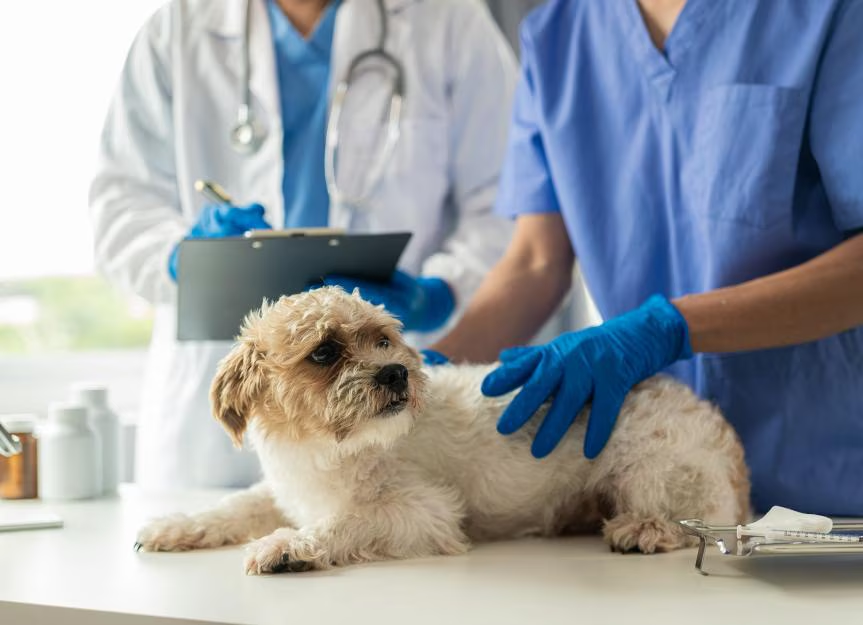
Pet healthcare has evolved significantly over the years, moving beyond traditional treatments to embrace advanced diagnostic techniques that enhance accuracy and outcomes. Today, veterinary medicine focuses not only on treating illnesses but also on early detection, prevention, and minimally invasive procedures that ensure better comfort and faster recovery for pets. These advancements are transforming how veterinarians diagnose and manage a wide range of conditions.
One of the most impactful innovations is endoscopy in veterinary medicine, which allows veterinarians to examine internal organs without the need for major surgery. This technique provides precise insights, reduces recovery time, and improves overall treatment effectiveness. As a result, pet owners can ensure that their companions receive the highest level of care with minimal discomfort.
Enhancing Diagnostic Precision with Endoscopy in Veterinary Medicine for Better Outcomes
Advanced diagnostics are reshaping veterinary care. With endoscopy in veterinary medicine, veterinarians can accurately diagnose conditions while minimizing stress and risk for pets.
1. Minimally Invasive Diagnostic Approach
Endoscopy eliminates the need for large surgical incisions, making it a safer option for pets. By using a flexible tube with a camera, veterinarians can examine internal structures with minimal discomfort. This approach significantly reduces recovery time and lowers the risk of complications, ensuring a smoother experience for both pets and their owners.
2. Accurate Visualization of Internal Organs
The high-resolution imaging provided by endoscopic procedures allows veterinarians to view internal organs in detail. This precision helps identify abnormalities, infections, or foreign objects that may not be visible with traditional diagnostic methods. Accurate visualization leads to more effective treatment planning.
3. Early Detection of Health Issues
Early diagnosis is crucial for successful treatment. Endoscopy enables veterinarians to detect issues at an early stage, improving the chances of recovery. By identifying problems before they become severe, this technique supports proactive healthcare and better long-term outcomes for pets.
4. Reduced Stress for Pets
Traditional surgical procedures can be stressful for animals. Endoscopy, being minimally invasive, reduces physical trauma and stress levels. Pets experience less pain and discomfort, making the overall diagnostic process more manageable and less intimidating.
5. Faster Recovery and Healing
Since endoscopy involves smaller or no incisions, recovery time is significantly shorter. Pets can return to their normal routines quickly, minimizing disruption to their daily lives. This benefit is especially important for maintaining overall well-being.
Improving Treatment Efficiency with Advanced Veterinary Diagnostic Technologies
Modern veterinary clinics are equipped with cutting-edge technologies that enhance diagnostic accuracy and treatment efficiency. These advancements ensure better care and improved outcomes for pets.
1. Integration of Advanced Imaging Tools
Technologies such as digital imaging and ultrasound complement endoscopic procedures, providing comprehensive diagnostic insights. This integration allows veterinarians to make well-informed decisions and deliver targeted treatments.
2. Personalized Treatment Plans
Accurate diagnostics enable veterinarians to create customized treatment plans tailored to each pet’s condition. This personalized approach ensures better results and improved recovery rates.
3. Minimizing Unnecessary Procedures
With precise diagnostic tools, veterinarians can avoid unnecessary surgeries or treatments. This not only reduces costs but also minimizes risks for pets, ensuring safer care.
4. Enhancing Preventive Care
Advanced diagnostics support preventive healthcare by identifying potential risks early. Regular screenings and check-ups help maintain long-term health and prevent serious conditions.
5. Improving Communication with Pet Owners
Detailed diagnostic results help veterinarians explain conditions clearly to pet owners. This transparency builds trust and ensures that owners are well-informed about their pet’s health.
Ensuring Pet Comfort and Safety Through Modern Diagnostic Procedures
Pet comfort and safety are top priorities in veterinary care. Modern diagnostic methods focus on reducing stress and enhancing the overall experience for animals.
1. Gentle and Non-Invasive Techniques
Modern procedures are designed to minimize discomfort. Techniques like endoscopy ensure that pets undergo less invasive examinations, making the process safer and more comfortable.
2. Use of Advanced Equipment
State-of-the-art equipment ensures precision and reliability. High-quality tools contribute to accurate diagnostics and better treatment outcomes.
3. Skilled Veterinary Professionals
Experienced veterinarians play a crucial role in ensuring successful procedures. Their expertise ensures that diagnostics are performed safely and effectively.
4. Focus on Animal Well-Being
Veterinary practices prioritise the emotional and physical well-being of pets. Creating a calm and supportive environment helps reduce anxiety during procedures.
5. Continuous Monitoring and Care
Monitoring pets during and after procedures ensures their safety. Immediate attention to any concerns helps maintain stability and comfort.
The Future of Veterinary Diagnostics with Endoscopy in Veterinary Medicine Innovations
The future of veterinary care lies in continuous innovation. Advancements in endoscopy in veterinary medicine are paving the way for more efficient and effective diagnostic solutions.
1. Advancements in Imaging Technology
Improved imaging capabilities provide clearer, more detailed images, enhancing diagnostic accuracy and treatment planning.
2. Expansion of Minimally Invasive Procedures
Ongoing research is expanding the applications of endoscopy, making it suitable for a wider range of conditions and treatments.
3. Integration with Digital Systems
Digital tools and data management systems improve record-keeping and analysis, supporting better decision-making.
4. Enhanced Training for Veterinarians
Continuing education ensures that veterinarians stay up to date with the latest techniques and technologies, improving patient care.
5. Increased Accessibility of Advanced Care
As technology becomes more widely available, more clinics can offer advanced diagnostic services, benefiting a larger number of pets.
Final Thoughts
Modern veterinary diagnostics have revolutionised pet healthcare, offering safer, more accurate, and minimally invasive solutions for diagnosing and treating various conditions. These advancements not only improve treatment outcomes but also enhance the overall well-being and comfort of pets. By embracing innovative techniques, pet owners can ensure that their companions receive the best possible care.
For those seeking reliable veterinary services, understanding factors such as the canine endoscopy cost in Dubai is an important part of making informed decisions. Pet Point Veterinary Clinic stands out for its commitment to advanced diagnostics, compassionate care, and state-of-the-art facilities. With a focus on precision and pet comfort, they provide comprehensive solutions that support the health and happiness of your beloved companions.