
A store layout can look complete on opening day and feel restrictive six months later. Product ranges expand, seasonal collections arrive, promotions change and some categories need more space than expected. A fixed arrangement may protect a consistent brand image, but it can also force staff to improvise when the offer moves on.
The challenge is to create flexibility without making the store look temporary. A retail design agency can help separate the elements that should remain stable from those that need to change. Core materials, key sightlines, service points and major brand features may form the permanent framework. Display capacity, graphic positions and product groupings can then adapt within it.
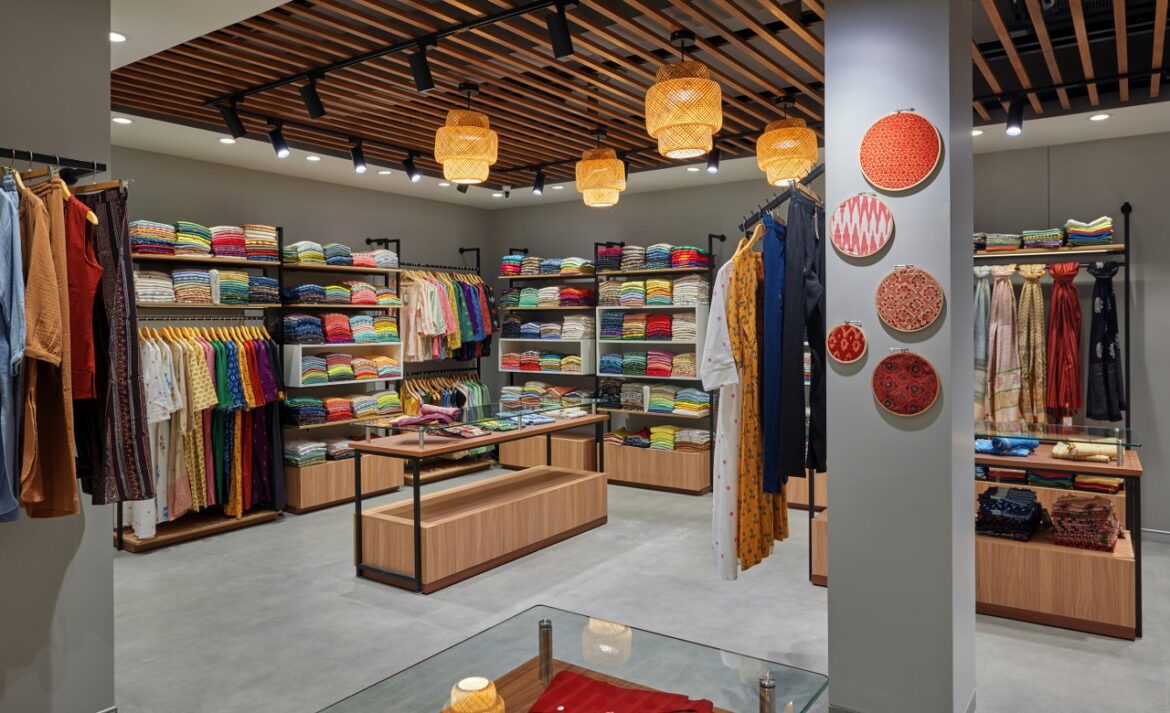
Fixtures are central to that balance. Adjustable shelves, movable rails and interchangeable display parts allow a unit to support different product sizes. The mechanism should be simple enough for store teams to use correctly, with clear limits on loading and spacing. Flexibility has little value when every change requires tools, specialist installers or a long instruction manual.
Mobile fixtures can create larger shifts, but movement needs a purpose. A wheeled table may open space for an event, support a campaign or change the direction of circulation. It also needs secure brakes, suitable floor conditions and a storage plan when it is not in use. Too many movable pieces can make the shop feel unsettled and create inconsistency between locations.
Power and lighting often decide how flexible a layout really is. A display may move easily until a screen, illuminated shelf or charging point needs a fixed connection. Planning a sensible grid of services can give future layouts more options. Track lighting and adjustable fittings may also help products remain well lit after displays change, although glare and dark gaps still need checking.
Graphics should be designed for replacement from the start. Frames, channels, magnetic panels or standard-sized holders can support regular campaign changes without damaging surrounding finishes. The system should suit the expected frequency of updates. Replacement graphics also need accurate templates and simple labelling so store teams can install each message correctly in the intended position. A permanent brand story may deserve a crafted feature, while weekly offers need a faster and more economical method.
Stock behaviour provides another test. A flexible unit must hold enough product, allow clear replenishment and keep the sales floor orderly. If staff have to carry stock across customer routes or dismantle a display to refill it, the layout may be adaptable in theory but difficult in practice. A retail design agency should therefore consider back-of-house access and staff routines alongside the customer view.
Consistency across a store network does not require every location to use an identical plan. A kit of approved elements can produce a recognisable family while responding to different floor areas and building shapes. Rules might cover fixture finishes, spacing, sign hierarchy and the way hero products are presented. Local teams then gain room to adapt without weakening the brand.
A retail design agency can also use flexibility to support testing. A brand may trial a new category in one zone, compare two display methods or create a short-term collaboration. Results can inform the next layout change before money is committed to permanent construction. The space becomes a controlled platform for learning rather than a finished object that resists adjustment.
There are limits. Constant changes can confuse returning customers, increase staff workload and create uneven presentation. The store still needs dependable navigation, accessible routes and clear category logic. A useful flexible plan defines which areas may change, how often they can change and who approves the final arrangement.
Planning for future ranges does not require predicting every product. It requires enough structure to absorb reasonable change. When durable brand anchors are combined with practical display systems, the store can evolve while still feeling deliberate. That protects the customer experience and gives teams better tools for responding to what the business actually sells.