
Creating a living or working space that reflects personality, functionality, and aesthetic appeal requires expert planning and execution. Whether it is a residential apartment, corporate office, or hospitality venue, the process involves understanding the unique needs of the client and translating them into designs that are both practical and visually striking. An interior design Dubai company plays a crucial role in bringing such visions to life, offering specialized services that encompass every aspect of design, from conceptualization to final implementation.
With the city’s dynamic architectural landscape and diverse client preferences, these companies ensure that spaces are not only elegant but also efficiently organized. Choosing the right design team can make all the difference between a standard environment and a space that truly inspires.
Understanding Modern Design Trends
Design trends constantly evolve, blending functionality with aesthetics. Modern interiors in Dubai emphasize open spaces, natural lighting, and smart layouts. Contemporary designs often integrate minimalist furniture, neutral color palettes, and sustainable materials to create a balance between beauty and practicality.
- Open Concept Layouts: These layouts enhance spatial flow, making homes and offices feel larger and more inviting.
- Sustainable Materials: Eco-friendly materials such as bamboo, recycled wood, and low-VOC paints are gaining popularity.
- Smart Interiors: Integration of technology in lighting, temperature control, and security systems enhances convenience.
Keeping up with trends requires professional insight, which is where experienced designers shine. Their expertise ensures spaces remain stylish while functional for years to come.
Personalized Approach to Residential Spaces
Homes are extensions of one’s personality, and thoughtful interior design transforms houses into comforting and visually appealing dwellings. Designers work closely with clients to understand lifestyle preferences, functional requirements, and aesthetic inclinations.
- Living Areas: Designers focus on furniture arrangement, color coordination, and creating focal points that define the room.
- Kitchens and Bathrooms: These functional areas require careful planning, with emphasis on storage, ergonomics, and durable finishes.
- Bedrooms and Study Spaces: Prioritizing relaxation and productivity, designers ensure layouts promote both comfort and efficiency.
A residential project by a skilled team often results in spaces that reflect personal style while meeting practical needs.
Commercial Interior Solutions
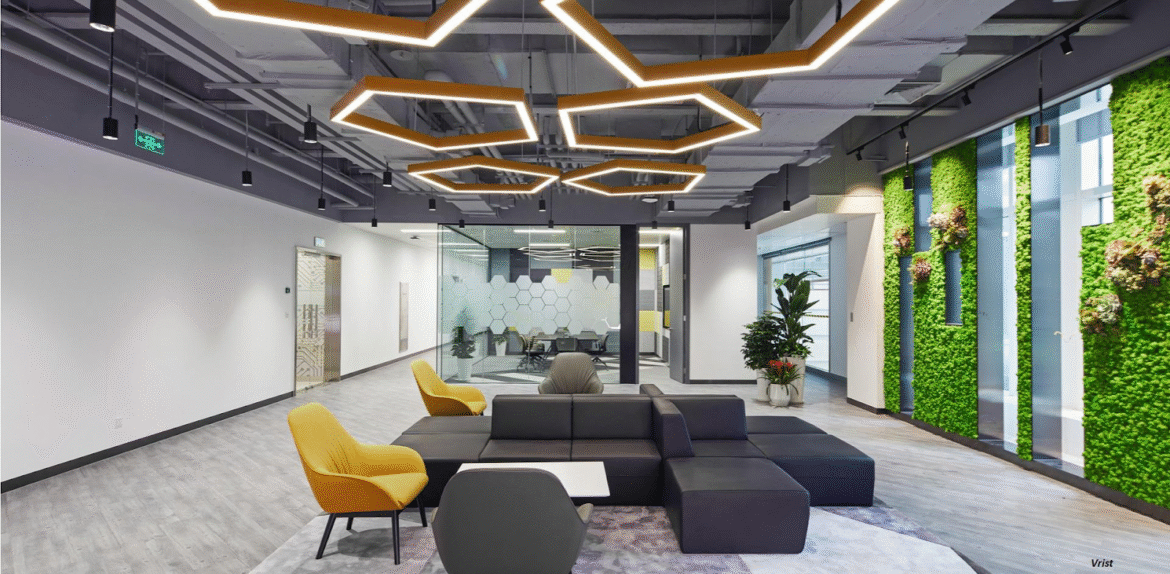
Commercial spaces require a different approach, balancing brand identity with functionality. Offices, retail outlets, and hospitality venues benefit from designs that enhance operational efficiency and appeal to clients.
- Corporate Offices: Layouts promote collaboration while maintaining privacy and reducing distractions.
- Retail Spaces: Effective design encourages customer engagement through visually attractive displays and optimized product placement.
- Hospitality Environments: Hotels and restaurants benefit from designs that create memorable experiences, combining comfort with sophistication.
Investing in a well-designed commercial space can improve employee productivity, enhance customer satisfaction, and strengthen brand reputation.
The Role of Professional Consultation
Selecting the right team ensures a smooth design journey. A professional interior design company provides consultation, planning, and execution, streamlining the process for clients.
- Initial Consultation: Understanding client needs, preferences, and budget constraints.
- Conceptual Design: Creation of mood boards, layouts, and 3D visualizations for approval.
- Project Management: Coordinating with contractors, vendors, and artisans for timely completion.
- Final Implementation: Ensuring every element aligns with the design vision, from furniture placement to lighting.
This structured approach reduces errors, saves time, and delivers a polished final result that exceeds expectations.
Innovative Use of Space
Space optimization is critical in both residential and commercial projects. Designers leverage clever techniques to maximize usability without compromising aesthetics.
- Multi-Functional Rooms: Spaces serve multiple purposes, such as a living room doubling as a home office.
- Custom Storage Solutions: Tailored storage ensures clutter-free interiors, enhancing comfort and organization.
- Lighting Techniques: Proper lighting amplifies spatial perception, highlights focal points, and sets the desired mood.
Smart design ensures that every square foot is utilized effectively, adding both practicality and beauty to the environment.
Color, Texture, and Material Selection
Color schemes, textures, and material choices significantly impact the ambiance of a space. Designers carefully select combinations that resonate with the client’s style while complementing the overall theme.
- Neutral Tones: Popular for creating a timeless, elegant look.
- Accent Colors: Used to inject personality and vibrancy into spaces.
- Material Diversity: Combining wood, metal, glass, and textiles adds depth and character.
Expert guidance helps clients avoid common pitfalls, such as overuse of bold colors or clashing textures, ensuring harmonious interiors.
Importance of Sustainability
Sustainable design has become a priority for environmentally conscious clients. Interior designers increasingly focus on eco-friendly practices and energy-efficient solutions.
- Eco-Friendly Materials: Choosing recycled, renewable, or low-impact materials.
- Energy Efficiency: Incorporating LED lighting, smart climate control, and optimized layouts to reduce energy consumption.
- Waste Reduction: Efficient planning minimizes construction and material waste.
Sustainable designs not only benefit the environment but also create healthier, more comfortable spaces for occupants.
Technology Integration in Modern Interiors
Advancements in technology have transformed interior design, making spaces smarter and more efficient. Modern homes and offices increasingly incorporate automation and digital solutions that enhance comfort and convenience.
- Smart Home Systems: Control lighting, temperature, and security remotely through mobile apps or voice commands.
- Automated Furniture: Adjustable desks, modular seating, and hidden storage optimize functionality.
- Virtual Reality (VR) Previews: Clients can experience designs in 3D before implementation, ensuring alignment with their vision.
Integrating technology not only adds convenience but also elevates the overall design experience, making spaces adaptable to evolving needs.
Budget Planning and Cost Management
Effective budget management is a critical component of any design project. Professional designers help clients achieve their vision while staying within financial constraints.
- Transparent Cost Estimates: Detailed breakdowns of materials, labor, and additional expenses avoid surprises.
- Prioritization of Needs: Focusing on high-impact areas ensures that essential elements receive adequate investment.
- Value Optimization: Smart material choices and efficient planning maximize quality without overspending.
By balancing creativity with financial prudence, designers ensure projects are completed successfully without compromising quality or aesthetic appeal.
Conclusion
Investing in professional interior design services transforms ordinary spaces into extraordinary environments. From residential apartments to large commercial projects, a well-executed design enhances functionality, aesthetics, and overall experience. For those seeking top-notch services, Madbrick Studio exemplifies creativity, precision, and dedication in delivering bespoke interiors. Their team combines expertise with innovation to ensure each project is unique, practical, and visually captivating. Choosing the right professionals can make the difference between a space that merely functions and one that truly inspires.