

If you’re someone who is curious about investing or just starting your stock market journey, you’ve probably heard the term option trading. It might sound complex and intimidating, especially with its association with terms like strike price, premiums, and expiration dates. But worry not! In this article, we’ll break down the meaning of option trading in simple and easy-to-understand words while exploring how it fits into the world of investing. We will also touch upon other important financial terms, like initial public offerings (IPOs), to provide a comprehensive overview of the trading world.
What is Option Trading?
In the simplest terms, option trading is about buying or selling rights to buy or sell a stock (or another financial asset) at a specific price on or before a specific date. Options are a type of financial derivative, which means their value is derived from the price of an underlying asset, such as shares.
Here’s how it works:
– When you buy an option, you are not buying the stock itself. Instead, you are buying the right to either:
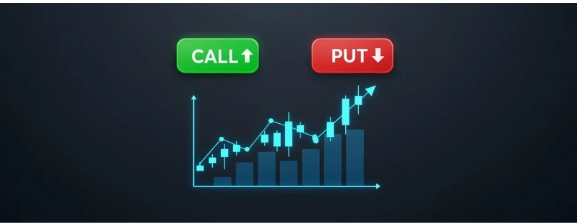
– Buy the stock later if the price becomes favorable (this is called a call option).
– Sell it if the price drops and becomes unfavorable (this is called a put option).
The beauty of option trading lies in the flexibility it provides. You’re not obligated to exercise your option. You only pay a small fee upfront (called the premium) for the right to trade the underlying asset in the future.
Let’s go through a simple analogy to understand this better.
Imagine Renting vs. Buying a House
Think of options like renting a house before deciding whether to buy it. When you rent:
– You pay a small amount as rent (similar to the premium in options).
– You have the right to live in the house (like the right to buy or sell a stock in the future).
– If you like the house later, you can decide to buy it (similar to exercising your call option).
If you decide you don’t want to buy the house, you can walk away after the rental period (like letting your option expire). Your only cost is the rent (equivalent to the premium paid for an option).
Call Option vs. Put Option – What’s the Difference?
- Call Option – The Right to Buy
A call option gives you the right to buy a stock (or asset) at a specific price (called the strike price) on or before a specific date (called the expiry date).
For example:
– If a stock is trading at $50 right now, and you believe it will rise to $70 in the future, you can buy a call option to lock in your ability to purchase it later at today’s price (or close to it).
– If the price does indeed rise to $70, you can exercise your option and buy the stock at a cheaper price, benefiting from the price difference.
- Put Option – The Right to Sell
A put option works the opposite way. It gives you the right to sell a stock at a specific price within a given time frame.
For example:
– If a stock is currently trading at $50 and you think its price will fall to $30, you could buy a put option. This allows you to sell the stock later at the higher price, even if the market price has dropped.
In both cases, options are a form of protection or speculation on the stock price.
Why Trade Options?
Option trading is popular among investors because it provides several unique benefits. Here are some key reasons why traders choose options:
- Risk Management (Hedging):
Options can act as insurance. If you own stocks and fear their prices might fall, you can purchase a put option to protect your investment. This way, even if the stock price drops dramatically, the value of your put option could increase, offsetting the loss.
- Flexibility:
Options give traders the flexibility to hedge their risk without committing to buying or selling stocks outright. You can choose not to exercise your option if it doesn’t work out.
- Speculation:
For those who like to make predictions, trading options can be highly lucrative. Traders who believe that a stock is about to make a big move – either up or down – can use call or put options to potentially earn significant profits with minimal investment.
- Lower Initial Investment:
Instead of buying a stock outright, which could require more capital, you can purchase an option at a fraction of the cost (the premium). This allows you to trade more efficiently with smaller amounts of money.
Risks of Option Trading
While options can provide high returns and flexibility, they also come with risks. Here are a few to keep in mind:
- Loss of Premium:
If the stock doesn’t move in the direction you expected, you may lose the entire premium paid for the option.
- Short Time Frame:
All options come with an expiration date. If your prediction doesn’t come true by that date, your option becomes worthless.
- Complexity:
Unlike simply buying or selling stocks, options can be more technical and require a good understanding of how they work. Beginners may take time to grasp the concept fully.
IPO and Options: How Are They Connected?
You might be wondering how IPO fits into all this. To explain, let’s briefly explore what an IPO is.
An Initial Public Offering (IPO) is when a company sells its shares to the public for the first time. It’s a way for companies to raise funds and for investors to buy shares in the company early on.
While options are usually linked to established stocks, they can sometimes involve newly listed stocks after an IPO. However, trading options on IPO stocks can be risky because of their volatility, which means their prices can change quickly and unpredictably in the market.
For example:
– A company launches its IPO and its share price skyrockets. You might decide to trade options on that stock if you believe it will continue to increase.
– Similarly, if you suspect the stock price may fall after an IPO (as often happens in the weeks following), you could buy put options to capitalize on the decline.
How to Get Started with Option Trading
If you’re ready to dive into option trading, here are some simple steps to get started:
- Learn the Basics:
Understanding the fundamentals is crucial. Take time to learn about concepts like strike prices, expiration dates, call options, and put options.
- Open a Brokerage Account:
Many online trading platforms offer the ability to trade options. Choose a broker that is user-friendly and provides educational resources.
- Start Small:
Start with a small investment and avoid complicated strategies in the beginning.
- Practice with Paper Trading:
Many trading platforms allow you to practice without using real money. This is a great way to gain confidence and test your strategies.
- Monitor and Adjust:
Keep an eye on the market and adjust your trades as necessary. Don’t be afraid to cut your losses if things don’t go as planned.
Conclusion
Option trading is an exciting and versatile way to participate in financial markets. It allows you to protect your investments, speculate on market movements, and even generate income. While it may seem daunting at first, with time and a willingness to learn, it can become a valuable tool in your investment toolkit.
Though IPO stocks can sometimes present option trading opportunities, remember to proceed cautiously and consider the risks involved. By understanding the fundamentals and practicing regularly, you’ll build the skills and confidence needed to trade effectively.
Whether you’re a beginner or a seasoned investor, option trading offers opportunities to enhance your portfolio. With the right mindset and strategy, you’ll be well on your way to unlocking the potential of this exciting investment avenue!