

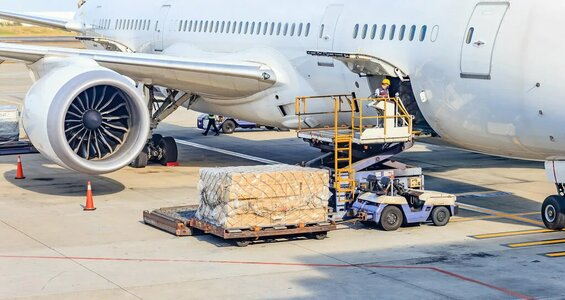
India’s trade and commerce landscape is evolving at an unprecedented pace. With e-commerce booming, global business connections expanding, and customer expectations rising, the demand for air cargo in India has reached new heights. What used to be a niche service has now become a backbone for businesses that rely on fast, reliable delivery of goods both domestically and internationally. But this surge isn’t just about speed, it’s about creating a seamless, efficient logistics ecosystem that supports the entire supply chain.
This growth has also led to significant investments in infrastructure, from modern cargo terminals to advanced handling equipment at airports. Companies are increasingly leveraging technology to track shipments, manage inventory, and optimize delivery routes in real time. The rise of specialized logistics providers ensures that even complex shipments such as perishable goods or high-value electronics reach their destination safely and on time. Businesses are now able to scale operations more efficiently, tapping into new markets across India and beyond. Ultimately, the evolution of air cargo is reshaping the way goods move, making supply chains faster, smarter, and more reliable.
The Journey of Goods in the Modern Era
Imagine ordering a specialty product online from another city. Within hours, the package is collected, processed, flown across states, and arrives at your doorstep. Behind this seamless experience lies a complex network of logistics, involving skilled professionals, specialized equipment, and strategic coordination.
The evolution of logistics transportation services in India has transformed this journey from cumbersome and slow to efficient and reliable. Modern logistics companies employ technology-driven tracking systems, automated handling, and optimized routes to ensure every package moves quickly and safely from origin to destination.
Why Air Cargo Is a Game-Changer
Air cargo isn’t just about flying goods from one city to another, it’s about speed, precision, and reliability. In a country as vast as India, where road transport alone can take days, air freight bridges the distance in hours.
Businesses dealing with perishable goods, electronics, pharmaceuticals, or high-value products rely heavily on air cargo in India. For example, temperature-sensitive vaccines or critical machinery parts can be shipped safely across regions, minimizing the risk of delays and spoilage. Moreover, air cargo networks connect India to global markets, making international trade faster and more predictable.
Integrating Logistics Transportation Services for Efficiency
While air cargo moves goods swiftly, the broader picture involves integrating multiple logistics modes. Modern logistics transportation services combine air, road, and rail freight to create a synchronized supply chain. This multi-modal approach ensures cost-effectiveness without compromising speed or reliability.
For instance, a shipment may start with air transport for rapid movement between cities, then rely on specialized road carriers for last-mile delivery. Advanced warehouse management systems support this process by tracking inventory in real-time, ensuring that the right product reaches the right customer at the right time.
Technology: The Invisible Force Driving Logistics
Technology has become the invisible force transforming logistics transportation services. GPS tracking, AI-driven route optimization, automated sorting, and predictive analytics help logistics companies anticipate challenges and deliver solutions proactively.
This shift has also improved transparency. Businesses and customers can now monitor their shipments in real-time, reducing uncertainty and increasing trust. For companies looking to scale their operations, integrating technology into their logistics strategy is no longer optional, it’s essential.
Challenges and Opportunities in Indian Air Cargo
Despite impressive growth, the air cargo sector in India faces several challenges. Regulatory compliance, airport infrastructure limitations, and fluctuating fuel costs can impact delivery times and operational efficiency.
However, these challenges also create opportunities. Investments in modern cargo terminals, digital documentation systems, and specialized freight services have started transforming the sector. Companies that adapt quickly, invest in technology, and streamline operations are positioning themselves at the forefront of India’s logistics revolution.
Sustainability: The Next Frontier
In the age of conscious consumption, sustainability has become a key factor in logistics operations. Air freight is inherently energy-intensive, but companies are now exploring eco-friendly solutions such as optimized flight paths, fuel-efficient aircraft, and consolidated shipments to reduce carbon footprints.
Similarly, logistics transportation services are embracing electric vehicles, solar-powered warehouses, and smart packaging to minimize environmental impact. As businesses and customers become more environmentally aware, these measures are not just responsible, they are also a competitive advantage.
Real-World Impact on Businesses and Consumers
The efficiency of air cargo in India directly influences business operations and customer satisfaction. Manufacturers can replenish inventory faster, retailers can meet rising consumer demand, and small businesses can expand their reach nationally and globally.
Consumers, in turn, enjoy faster delivery times, better product availability, and enhanced tracking visibility. The synergy between air cargo and integrated logistics transportation services ensures that every link in the supply chain works seamlessly, supporting both economic growth and customer expectations.
Expertise Behind Every Shipment
Technology and infrastructure are crucial, but skilled professionals are the heart of logistics. From cargo handlers and warehouse managers to logistics planners and customer support teams, human expertise ensures that even the most complex shipments move smoothly.
Training, experience, and strategic thinking help logistics providers anticipate issues before they arise, manage risks effectively, and ensure that every shipment meets quality and timing standards.
Conclusion
India’s logistics sector is undergoing a transformation, with air cargo and integrated logistics transportation services leading the way. The combination of speed, reliability, technology, and skilled professionals has redefined the way goods move across the country and beyond. With seamless coordination between air, road, and rail networks, even remote regions are becoming accessible for trade. Logistics providers are now offering tailored solutions to meet diverse business needs, from perishable goods to high-value shipments. As a result, the entire supply chain is becoming more agile, responsive, and capable of supporting India’s growing economy.
For businesses seeking a trusted partner in this evolving landscape, companies like AVR Logistics exemplify how modern logistics solutions can streamline operations, connect markets, and ensure goods reach their destinations efficiently. By leveraging expertise and innovative systems, they make complex supply chains appear effortless, supporting businesses and consumers alike in a fast-paced world.