

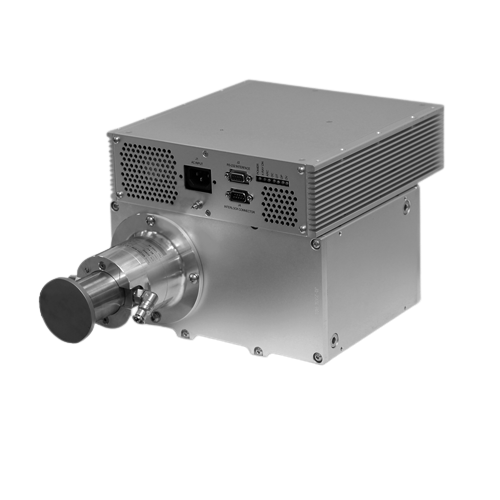
In modern healthcare, diagnostic imaging is critical for accurate disease detection and effective treatment planning. Central to this progress is the integrated x-ray generator, a crucial component that powers digital imaging systems with efficiency, reliability, and precision. Unlike standalone units, integrated generators are designed as part of the imaging system from the start, improving synchronization, reducing space requirements, and enhancing overall performance. From routine examinations to complex clinical evaluations, these integrated technologies have dramatically advanced the capability of X‑ray imaging in hospitals, clinics, and specialized diagnostic centers.
As imaging demands continue to increase globally, healthcare providers seek solutions that deliver high image quality, consistent performance, and lower operational costs. Integrated generator innovation answers these needs by providing stable power delivery, intelligent control, and seamless integration with software and sensor technologies. These enhancements not only improve diagnostic clarity but also support safer, faster, and more patient‑centric care.
How Integrated Technology Is Transforming X‑Ray Systems
Smarter Power Management
An integrated generator offers advanced power regulation that ensures consistent energy delivery to the X‑ray tube. This stability reduces image noise and enhances contrast, resulting in clearer images. By optimizing voltage and current in real time, these systems adapt to varying patient sizes and exam types, ensuring precise exposure. This level of control also supports lower radiation doses, which is essential for patient safety in repeated or sensitive scans.
Reduced System Complexity
Traditional systems often rely on separate generator units connected by complex cabling and additional hardware. In contrast, integrated solutions consolidate components into a unified platform. This reduces installation footprint and simplifies maintenance. Fewer moving parts mean fewer points of failure, lowering downtime and service costs. For busy imaging departments, this translates into increased uptime and smoother workflow.
Enhanced Imaging Performance
Integrated generators work in close coordination with detectors, software, and control consoles. This deep integration enables faster data processing and improved synchronization between exposure and image capture. The result is sharper images with better detail and fewer artifacts. Clinicians benefit from enhanced visibility of anatomical structures, which supports more confident diagnoses.
Faster Workflow and Throughput
Healthcare providers are under constant pressure to deliver faster results without compromising quality. Integrated generators contribute to streamlined imaging workflows by reducing setup time and accelerating exposure cycles. Automatic pre‑sets tailored to exam type further reduce manual configuration. In high‑volume settings, this boosts throughput while maintaining diagnostic accuracy.
Improved Reliability and Longevity
Medical imaging equipment must perform reliably under continuous use. Integrated generator systems are engineered for durability, with components designed to work harmoniously without excess strain. This results in longer service life, fewer breakdowns, and reduced long‑term maintenance costs. For facilities with limited technical support, this reliability is a major operational benefit.
The Role of Integration in Patient Safety
Precise Dose Control
One of the core advantages of integrated systems is the ability to finely tune radiation dose. These generators work with real‑time feedback mechanisms that monitor exposure and automatically adjust parameters to minimize dose while maintaining image quality. Lower doses reduce the risk of radiation‑related side effects, especially in vulnerable populations such as children and patients requiring multiple scans.
Adaptive Exposure Techniques
Integrated generator technology supports adaptive exposure techniques that respond dynamically to patient anatomy and positioning. By tailoring each exposure to specific clinical situations, these systems help avoid unnecessary radiation while preserving diagnostic detail. This adaptability is particularly beneficial in complex imaging scenarios where standard settings may fall short.
Safety Alerts and Monitoring
Modern integrated systems incorporate embedded safety protocols and alerts. These include interlocks, tube overload protection, and exposure limits that help prevent equipment misuse or unintended overexposure. Real‑time monitoring promotes safer operations and supports compliance with regulatory standards and best practices.
Consistent Quality Assurance
Routine quality assurance (QA) is essential for reliable imaging performance. Integrated generators often include self‑diagnostic tools that monitor system health and generate alerts when service is needed. This proactive approach helps maintain consistent image quality and provides peace of mind for clinical teams and patients alike.
Enhanced Operator Confidence
Clinicians and technologists benefit from the reliability and precision afforded by integrated systems. Knowing that power delivery, dose control, and safety interlocks are optimized reduces operator stress and allows focus to remain on patient care and image interpretation.
Integrating with Digital Imaging Ecosystems
Seamless PACS Connectivity
Integrated generator units typically interface smoothly with Picture Archiving and Communication Systems (PACS), streamlining digital workflows. Images are transferred more quickly and securely, making patient records available instantly across departments. This integration supports faster diagnoses and coordinated care.
Enhanced Image Post‑Processing
Modern imaging platforms include sophisticated post‑processing tools that can further enhance diagnostic clarity. Integration with generator timing and exposure data improves algorithms for noise reduction, contrast enhancement, and edge detection, resulting in images that are both accurate and diagnostically useful.
Cloud and Mobile Access
Many integrated systems support cloud connectivity, allowing clinicians to access images remotely on secure mobile platforms. This feature is especially beneficial in multi‑site healthcare networks and telemedicine applications. Quick access to images supports faster clinical decisionmaking.
AI‑Driven Workflow Optimization
Artificial intelligence and machine learning tools are increasingly integrated with imaging systems to assist with scheduling, image interpretation support, and automated quality checks. When combined with an integrated generator, these technologies enhance the overall efficiency and diagnostic confidence of imaging departments.
Data Security and Compliance
Integrating generators with digital systems requires robust cybersecurity measures. Modern imaging platforms provide encrypted storage, secure transmission protocols, and compliance with healthcare data regulations like HIPAA. These safeguards ensure patient privacy while enabling efficient digital workflows.
Conclusion
Integrated generator innovation continues to propel diagnostic imaging into a new era, one defined by precision, safety, and seamless digital integration. These advancements help healthcare providers deliver clearer images, faster results, and more informed clinical decisions. As imaging demands grow and technologies evolve, the role of an x-ray machine generator becomes even more critical in delivering reliable performance and supporting patient‑centric care.
For advanced imaging solutions built on dependable generator technology, VJ X‑Ray provides high‑quality equipment tailored to modern healthcare needs. Their solutions combine precision engineering with clinical usability, helping facilities deliver accurate, efficient, and safe diagnostic imaging across settings.