
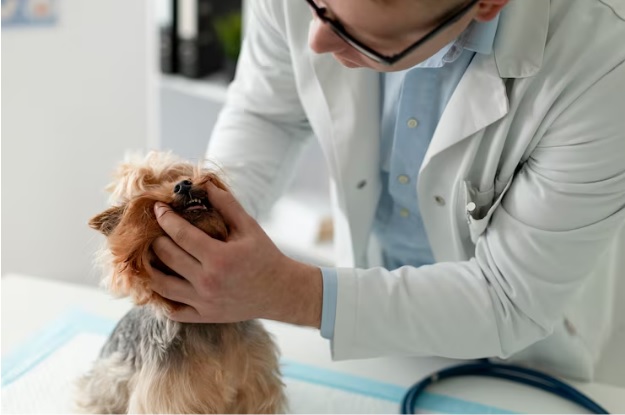
Understanding dog back leg paralysis treatment options enables pet owners to address serious neurological conditions effectively. Hind limb paralysis represents serious neurological emergency requiring prompt evaluation and treatment. Multiple causation factors—intervertebral disc disease, spinal injury, nerve damage—necessitate specialized diagnostic evaluation and targeted treatment. This comprehensive guide explores paralysis causation, diagnostic procedures, treatment modalities, and understanding prognosis and recovery approaches for canine back leg paralysis.
Understanding Canine Hind Limb Paralysis
Acute Onset Paralysis
Sudden paralysis onset represents neurological emergency. Acute presentation requires immediate veterinary evaluation.
Progressive Paralysis Development
Gradual paralysis development suggests chronic underlying disease. Progressive cases may allow time for diagnostic evaluation.
Complete Versus Incomplete Paralysis
Complete paralysis involves total limb non-function. Incomplete paralysis retains some motor function.
Bilateral Versus Unilateral Involvement
Bilateral paralysis suggests spinal cord disease. Unilateral involvement suggests nerve or localized injury.
Common Paralysis Causation Factors
Intervertebral Disc Disease (IVDD)
Disc herniation compresses spinal cord causing paralysis. IVDD represents most common paralysis cause in dogs.
Spinal Cord Injury and Trauma
Trauma causes direct spinal cord damage. Traumatic injury may produce variable recovery depending on severity.
Fibrocartilaginous Embolism (FCE)
Embolic spinal cord infarction causes acute paralysis. FCE produces sudden non-progressive paralysis.
Spinal Infection or Inflammation
Infection or immune-mediated inflammation damages spinal cord. Inflammatory conditions may respond to treatment.
Vascular Disease and Stroke
Spinal cord stroke produces acute paralysis. Vascular events create significant functional loss.
Diagnostic Evaluation Procedures
Neurological Examination
Detailed neurological examination localizes lesion location. Examination establishes functional baseline.
Radiography and Imaging
X-rays provide structural information. Advanced imaging—CT, MRI—reveals detailed pathology.
MRI and Advanced Imaging
MRI provides superior soft tissue visualization. Advanced imaging reveals spinal cord damage extent.
Cerebrospinal Fluid Analysis
CSF analysis detects infection or inflammation. Laboratory findings guide treatment decisions.
Treatment Modalities
Surgical Intervention
Decompression surgery relieves spinal cord compression. Surgical timing affects outcomes.
Medical Management
Corticosteroids reduce inflammation. Anti-inflammatory therapy may improve recovery.
Physical Rehabilitation
Rehabilitation exercises facilitate recovery. Therapy optimizes functional restoration.
Supportive Care
Proper positioning prevents pressure sores. Supportive care maintains quality of life during recovery.
Surgical Treatment Approaches
Decompressive Surgery
Spinal decompression relieves nerve compression. Surgical timing significantly affects outcomes.
Hemilaminectomy
Partial vertebral removal provides surgical access. Minimally invasive approach reduces trauma.
Laminectomy
Complete vertebral removal provides maximum decompression. Extensive approach enables comprehensive access.
Fenestration
Disc material removal prevents herniation. Preventive technique reduces recurrence risk.
Medical and Conservative Management
Corticosteroid Therapy
Anti-inflammatory treatment reduces swelling. Timely corticosteroid use improves outcomes.
Physical Therapy and Rehabilitation
Active rehabilitation exercises facilitate recovery. Therapy promotes neurological regeneration.
Pain Management
Adequate pain control improves rehabilitation compliance. Pain management supports recovery.
Assistive Devices
Carts and support harnesses enhance mobility. Assistive devices improve quality of life.
Recovery and Prognosis Factors
Injury Severity Impact
Severe injuries have poorer prognosis. Severity assessment enables realistic expectations.
Treatment Timing
Early treatment improves outcomes. Surgical timing significantly affects recovery potential.
Age and Overall Health
Younger animals often recover better. Overall health status influences recovery capability.
Rehabilitation Commitment
Consistent rehabilitation improves outcomes. Owner commitment affects recovery success.
Timeline and Recovery Expectations
Acute Phase Management
Immediate emergency management addresses acute conditions. Rapid intervention improves prognosis.
Recovery Progression
Recovery occurs gradually over weeks to months. Progressive improvement indicates positive trajectory.
Plateau and Final Function
Functional recovery reaches plateau indicating final outcome. Some residual deficits may persist.
Supportive Care During Recovery
Nursing Care and Positioning
Proper positioning prevents pressure sores. Regular position changes maintain skin health.
Urinary and Bowel Management
Manual expression or catheterization manages elimination. Hygiene maintenance prevents complications.
Pain Management
Adequate analgesia improves recovery compliance. Consistent pain control supports healing.
Nutritional Support
Proper nutrition supports tissue healing. Balanced nutrition supports recovery.
Quality of Life Considerations
Functional Assessment
Regular assessment documents recovery progress. Function evaluation guides management adjustments.
Rehabilitation Success
Successful rehabilitation restores significant function. Therapy benefits improve quality of life.
Long-Term Outlook
Many dogs achieve adequate functional recovery. Long-term outlook depends on severity and treatment.
Conclusion
Comprehensive dog back leg paralysis treatment combining prompt diagnosis, appropriate surgical or medical intervention, intensive rehabilitation, and supportive care optimizes recovery outcomes. Specialized neurological expertise enables accurate diagnosis and targeted treatment. Understanding paralysis causation, treatment options, and realistic recovery expectations enables informed decision-making ensuring optimal outcomes for affected dogs.